28.April
Steeling the Scene: Wind Power Is Becoming More Sustainable Thanks to This Lower-Emission Material
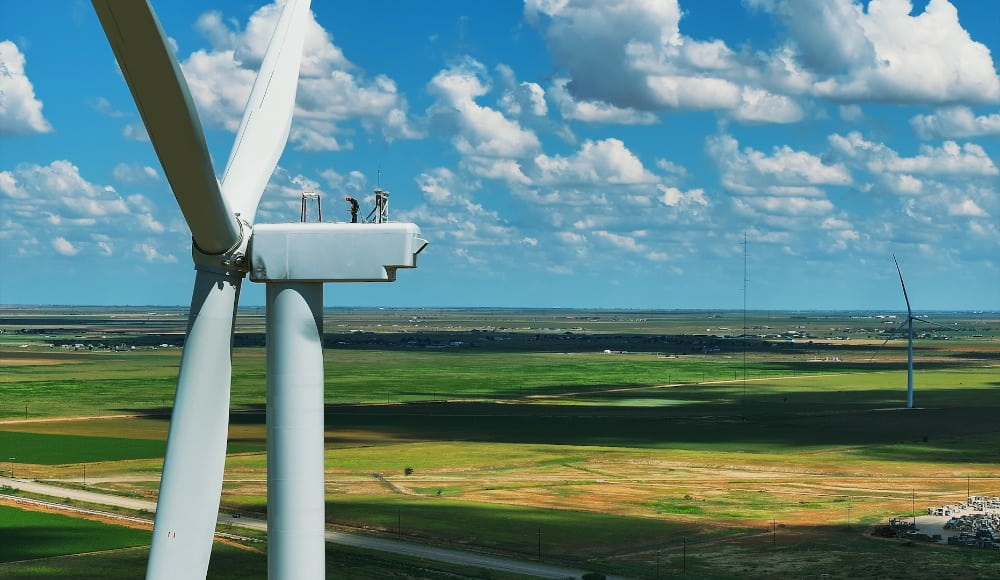
Wind turbines, towering symbols of renewable energy and climate action, still carry an environmental paradox: Their steel towers contribute 7-9% of human-made greenhouse gas emissions globally. Though the energy they generate is clean, the infrastructure supporting these giants remains tied to carbon-intensive materials.
Steel production annually releases 2.8 gigatons of carbon dioxide worldwide — surpassing emissions from all nations except China, the U.S., and India — and constitutes roughly 8% of anthropogenic greenhouse gas emissions. Traditional methods embed carbon into the process: For every kilogram of steel created, two kilograms of CO₂ enter the atmosphere, primarily from fossil-fuel-powered furnaces reaching 4,000°F (2,200°C).
GE Vernova aims to break this cycle by integrating SSAB Zero, a near-carbon-neutral steel produced by Swedish manufacturer SSAB. Made in Iowa using renewable energy and biogas from organic waste, the material matches conventional steel’s properties while slashing emissions. This innovation earned “green steel” recognition as a 2025 MIT Technology Review breakthrough, alongside efforts from other industry leaders.
With SSAB Zero incorporated into turbine towers, GE Vernova now markets some of the most climate-friendly wind turbines available. Over 500 units utilizing this low-emission steel are already generating power at U.S. onshore wind farms.
“Our goal at GE Vernova is to decarbonize energy systems through innovation,” explains Emira Biser, the company’s senior director of supply chain sustainability. “This begins with transforming our products. We’re committed to eliminating emissions across every turbine component, starting with the tower.”
A Foundational Shift
Towers represent approximately 25% of a turbine’s manufacturing carbon footprint in North America, making them a strategic starting point. Steel’s inherent carbon intensity stems from its production: Extracting iron from ore requires coke-fueled furnaces and carbon infusion, a method unchanged since ancient times. These energy-heavy processes account for 70% of the steel industry’s emissions.
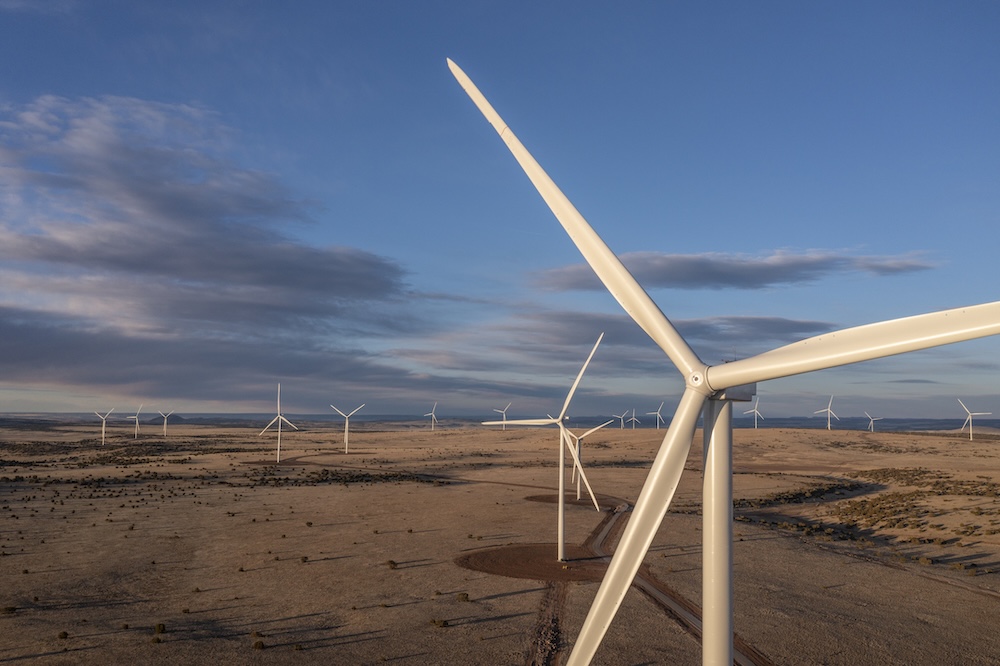
SSAB Americas addresses this by operating U.S. plants almost entirely on fossil-free energy and using 98% recycled scrap metal instead of raw ore. This dual approach reduces resource extraction and waste while maintaining material quality.
By cutting tower emissions, GE Vernova enables clients to shrink their environmental footprints. Biser emphasizes that the partnership with SSAB also aims to catalyze systemic change: “We’re redefining sustainability standards in wind energy and pushing steelmakers to adopt cleaner technologies. This proves progress is achievable even in traditionally hard-to-abate sectors.”
“Other industries should view this as a benchmark,” she adds. “Ambition drives transformation.”
Building a Broader Vision
The collaboration extends beyond turbine towers. GE Vernova is equipping SSAB’s Swedish facility in Oxelösund with its Direct Feed power system, which uses modular multilevel converter technology to stabilize energy supply for electric arc furnaces. Scheduled for 2026 installation, this will support scaled production of low-carbon steel. Meanwhile, SSAB is converting its Luleå plant to an all-electric steel mill.
For Biser’s team, these steps align with climate goals but also reflect deeper values. “Numbers alone don’t capture sustainability’s essence — it’s about passion and purpose,” she says. “Every innovation connects to real-world impact, empowering us to contribute to something greater than ourselves.”
This article contains forward-looking statements, which provide current expectations based on certain assumptions. Except as required by law, we disclaim any obligation to update these statements.