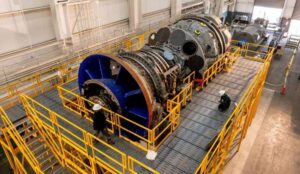
The rapid expansion of modern power systems in the 2020s mirrors, in many ways, the electrification boom of the 1920s. Back then, electricity networks relied heavily on coal-fired plants—polluting but dependable, capable of delivering continuous output to stabilize national grids. As hydropower emerged and energy began traveling longer distances, engineers introduced a novel solution: the Synchronous condenser. Unlike generators or motors, this machine spins without producing active power, serving a very different purpose.
Its role is to regulate Reactive power, sometimes referred to as “phantom power.” This invisible but essential component behaves unpredictably within electrical systems—building up, shifting, and potentially destabilizing the grid. If left unmanaged, it increases the risk of outages. A century ago, synchronous condensers helped maintain voltage stability across long transmission lines. Today, the same challenge has resurfaced—only at a much larger scale due to the rise of renewable energy.
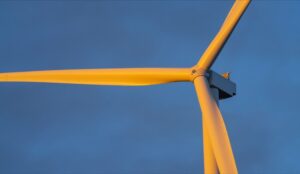
As solar and wind generation expand, so does variability in power supply. This has renewed interest in synchronous condensers, which can both absorb and generate reactive power as needed. The result is improved grid stability and the ability to integrate more renewables without relying heavily on conventional power plants.
Nowhere is this shift more evident than in Saudi Arabia. As part of its Vision 2030, the country aims to generate 50% of its electricity from renewable sources by the end of the decade. This ambitious transition—particularly the large-scale deployment of solar energy—has highlighted the need for advanced grid stabilization technologies.
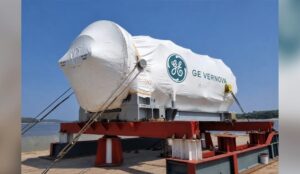
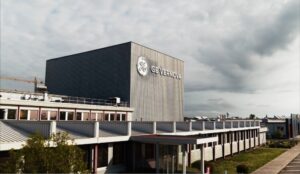
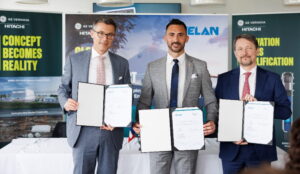
To address this, the Saudi Electric Company has begun implementing synchronous condensers supplied by GE Vernova. These systems are being deployed across multiple renewable energy sites to ensure stable and reliable electricity delivery.
Interestingly, this isn’t new territory for GE. The company developed its first synchronous condenser back in 1919, during a time when the U.S. was entering a major phase of hydroelectric expansion known as the Big Dam Era. Fast forward to today, and the context has shifted from large dams to massive solar installations. According to the Energy Information Administration, Saudi Arabia has over 21 gigawatts of renewable projects in development—most of them solar.
One of the key advantages of synchronous condensers is that they operate without burning fuel. Instead of running gas or coal turbines solely to maintain grid stability, these machines provide the necessary inertia and frequency control more efficiently. In effect, they reduce dependence on traditional generation assets while supporting cleaner energy integration.
The growing demand for this technology is driven by three converging trends: increasing renewable generation, rising electricity consumption, and the need for greater grid stability. Condensers help balance all three by maintaining consistent voltage and frequency—what engineers refer to as system “inertia.”
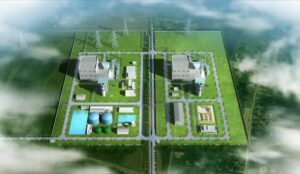
This approach is already being applied at projects like the Al Kahafah Solar Power Plant, one of the largest upcoming solar facilities in the region. As more renewable sites come online, synchronous condensers will follow, forming a critical backbone for grid reliability.
Despite its long history, this technology is experiencing a renaissance. Modern grids are becoming more complex, requiring both innovation and the revival of proven solutions. By combining legacy engineering with contemporary advancements, companies like GE Vernova are helping utilities manage the intricacies of large-scale electrification.
Ultimately, the power grid remains one of the most sophisticated systems ever built—demanding not only visible energy for consumers but also invisible forces like reactive power to keep everything running smoothly. The renewed role of synchronous condensers underscores a key reality: sometimes, the future of energy depends on rediscovering and refining the technologies of the past.